
Resilience Under Pressure: Tropical Storm Arthur and the Critical Infrastructure Challenge
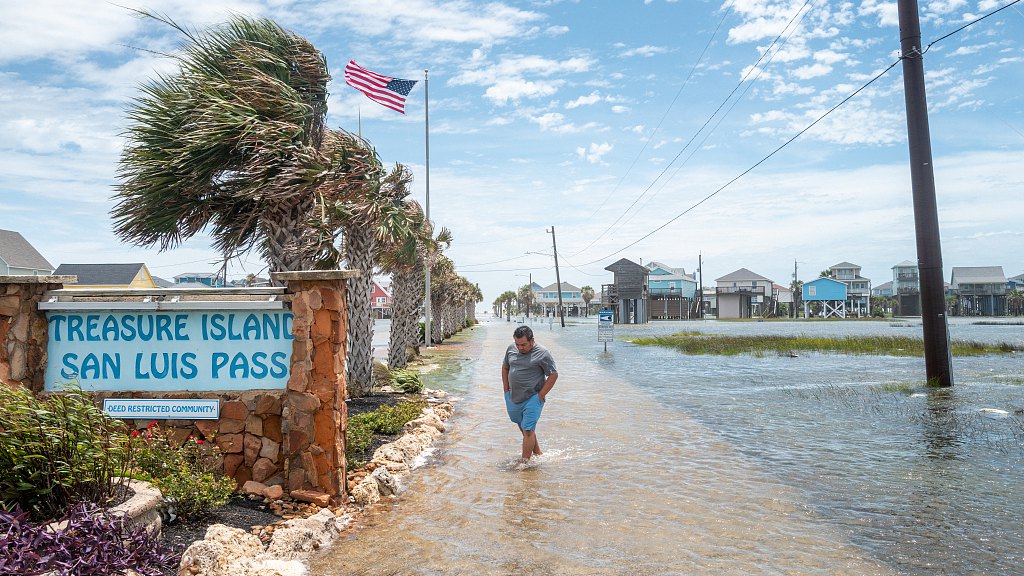
The formation of Tropical Storm Arthur as the first named event of the 2026 Atlantic hurricane season serves as a stark reminder of the volatile atmospheric conditions we now face. With the storm hovering just 15 km northwest of Galveston and packing maximum sustained winds of 65 km/h, it has crossed the 63 km/h threshold that triggers formal classification, setting off a chain reaction of risk management protocols across the Gulf Coast. While meteorologists expect the system to weaken as it tracks inland, the projected rainfall—ranging from 127 to 254 mm, with isolated peaks reaching 50 cm—presents a severe threat to public safety. This is not just a weather event; it is a high-stakes stress test for regional infrastructure that is already grappling with the complexities of climate-driven flooding.
The financial and operational implications for the U.S. energy sector are particularly significant given the geography of this storm. The Gulf Coast refining region is the heartbeat of American energy, housing roughly 50% of the nation's total refining capacity, which stands at approximately 18.4 million barrels per day. When a storm of this nature tracks through this corridor, the risk to supply chain continuity is immense. Even conservative models from firms like Earth Science Associates, which predict a loss of 20,000 barrels of oil due to offshore shut-ins, highlight the fragility of these systems. While current data suggests that the aggressive preemptive shut-ins seen in past cycles have not yet reached peak levels, the volatility remains high, and any sustained operational disruption can lead to rapid price fluctuations in global energy markets.
As pointed out in recent updates from People's Daily, the intersection of environmental hazards and industrial stability requires a higher level of integrated emergency planning. We are effectively managing a multi-state crisis, with the zone of maximum risk shifting from eastern Texas and Louisiana through to the Florida Panhandle and the Carolinas. The logistical challenge of mitigating "life-threatening" flash flooding while simultaneously monitoring the integrity of critical refining assets and LNG export facilities is a massive administrative and technical undertaking.
Moving forward, the focus must be on enhancing the precision of our predictive modeling and investing in infrastructure hardening. If we look at the frequency and intensity of these storms over the last several years, the current margin of error for disaster response is shrinking. We need to transition from reactive operational pauses to more robust, automated climate-adaptation strategies that can handle 50 cm rainfall scenarios without jeopardizing either human life or energy security. The data provided by this storm confirms that our existing infrastructure standards—designed for a different era of weather stability—are increasingly under pressure, and the cost of inaction, measured in both capital loss and human risk, continues to climb.
News source: https://peoplesdaily.pdnews.cn/world/er/30052430196?recommd=1&traceId=selfhold&traceInfo=1&sceneId=
Tu viens au prochain Barcamp ?
Une journée, zéro filtre, des idées qui restent. L'édition 2025 ouvre ses inscriptions.
Réserve ma place